When you click on links to various merchants on this site and make a purchase, this can result in this site earning a commission. Affiliate programs and affiliations include, but are not limited to, the eBay Partner Network.
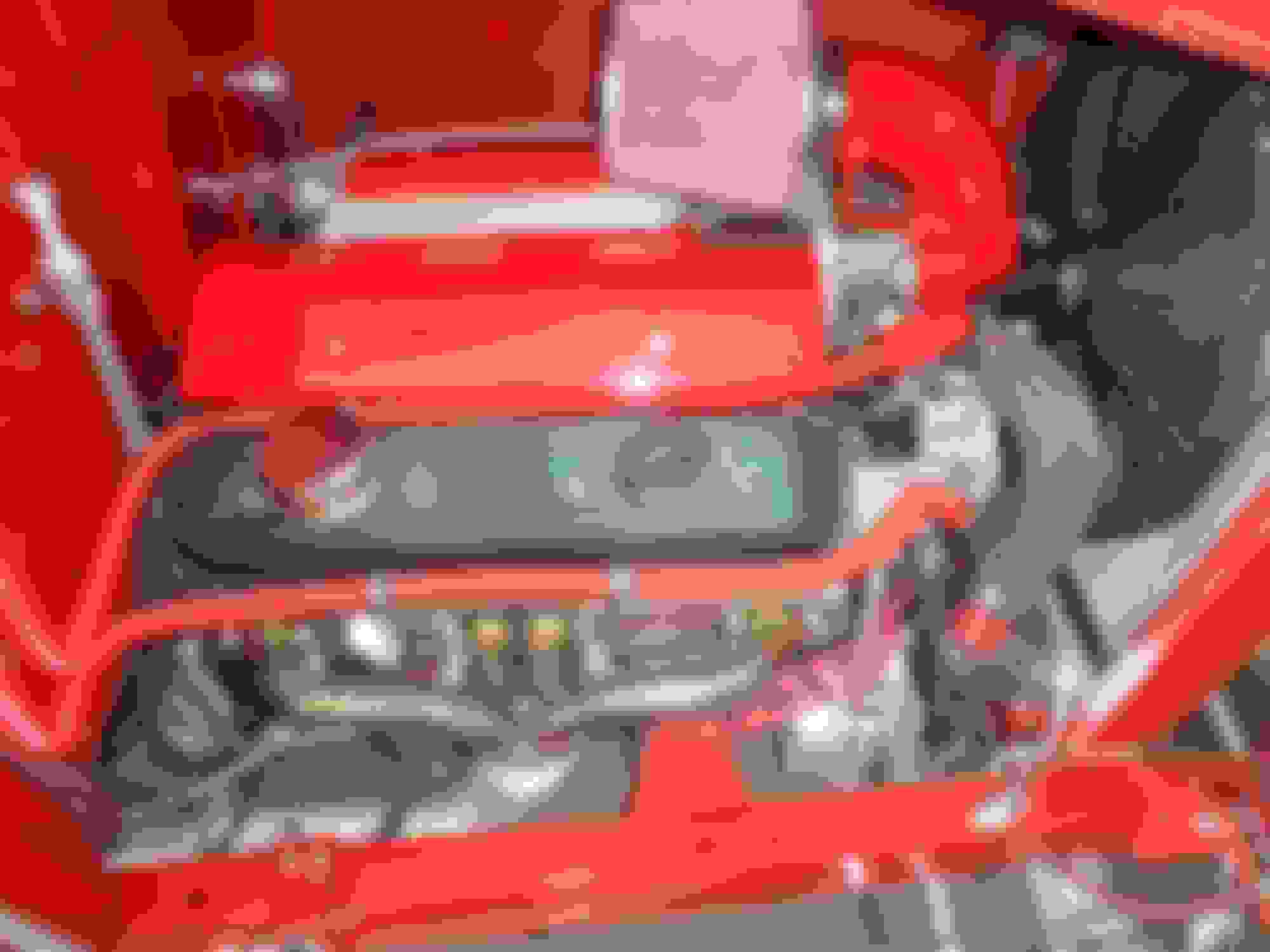
Got the 1932 Ford roadster on the road with just 200 miles on it. The 1994 LT1 engine seems to be very content. Today the temp is 100 degrees with a blacktop temp of 140. Was in stop and go traffic and did not have to use the electric fan as the temp stayed at 180 and slowly went to 185-190 sitting still. Of course the oil pressure went to 15 lbs at idle during the ride but 50 at hyway speeds.
Rule I was always told is 10 PSI per 1000 RPMs or the engine could hurt itself. It gets a little funny under 1000 RPMs. Fact is that most non professional gages are not that accurate under 10 PSI. Before doing anything because of your oil pressure verify the oil pressure with a good hand held gages. IMO about 90% of the "low oil pressure" complaints with no other symptoms end up being gage issues.
Oil temp gages are great to keep an eye on your oil. About 25% of all heat that is in the engine passes through the oil at some point. It is possible to have a motor that is not getting "hot" but the oil can be hotter then it should be. This is why oil coolers exist.
Hotter the oil the thinner the oil, Age can effect Dino oil more then synthetic. A year old non-synthetic oil will effect oil pressure.
Some years ago I read where the LT1 engine was stuffed back under the cowl so overheating was a concern by the designers. several things were done to ensure cooler running (aside from reverse flow). The oil passages were opened up to increase oil flow which, of course, reduced the pressure especially at idle. An oil cooler was also added for a combined cooling effect. I did talk to an engine machine shop guy and he confirmed the larger oil passages. I also heard that owners were concerned about the low oil pressure at idle and in later years the zero mark on the gauge was moved to the left to make it look like more pressure. Not sure about this one, only hearsay.
they removed the oil cooler in later years and switched to using and recommending full synthetic oil. I had to remove the oil cooler on mine because the headers was in the way and when I did that I installed a remote oil filter moving it away from the engine and exhaust. my thought is that in itself cools the oil. I use mobile one full synthetic and also switched to a high pressure standard flow oil pump with 5w30. 60k miles and pressure is 40 to 60lbs depending on rpms.
Larger passages should have little effect on pressure assuming the oil pump is sized properly. Increasing bearing clearances will decrease oil pressure. Think of it like an air compressor. A larger tank does not decrease the pressure. How much air you use does. There is no real cost to increasing volume of the oil pump it just will use slightly more power to turn. I do not see how increasing the passages would help with cooling unless there are places in the engine that where starved for oil at high RPMs.
Moving oil volume will help transfer the heat from the oil to coolant. It will not make the engine bay any cooler without a external oil cooler. SO based on what the engineers did, they did not do it to reduce temps in the engine bay. They did it to keep the oil cool enough to not damage it. As Craby said if they switched to synthetic and got rid of the oil cooler they are just worried about the oil surviving heavy usage. Note: even before 1993 GM put oil coolers on many of it performance cars like the corvette and I believe it was an options with the LE1 3rd gen and the Fire Hawk.
One of the engine oil jobs is to cool the pistons. The oil transfers the heat from the piston to the engine block which is cooled by coolant. The oil cooler cools the oil so it can remove more heat from the piston and it limits the Max temp. As a side note if you run out of oil and seize the motor that is the piston overheating more because of a lack of oil carrying away heat vs lubrication. The piston is growing so much it becomes larger then the cylinder.
Took the roadster for a short spin today, weather was hot at about 97 degrees. Everything went well until I was stopped at a light for a long time and all of a sudden the engine started to "hunt" and falter. Just before the light went green the engine quit! Started it up and went thru the light and then engine continued to surge and cut out then catch. As I drove it home (only several blocks it seems to start behaving itself. Gauge temp stayed at 180 until the light when it slowly went up to about 187. Oil pressure, volts were OK. When I got home I put the fuel pressure gauge on it and read 37 lbs (very old gauge but always read there). Temp gun read 180 at the water pump and radiator was at about 165. Not sure if it is fuel or spark related. No codes. Any ideas?
After a cooldown I took it out again but avoided stoplights. Ran like a clock. So, I thing the problem is heat related but is it affecting the fuel or spark?



 Roadster engine